Battle Of The Little Bighorn
Battle Of The Little Bighorn:
The Battle of the Little Bighorn, fought in 1876, was important because it represented the resistance of Native American tribes against U.S. expansion into their lands. It highlighted the ongoing tensions over land, resources, and cultural preservation, as the U.S. government tried to force Native Americans onto reservations. This battle, where the Native American forces defeated General Custer's troops, is a symbol of resistance and the struggle for rights and sovereignty. Today, these issues continue to matter as Native American communities fight for recognition, land rights, and cultural preservation. For an average person, understanding this history can lead to greater awareness and support for Native American rights and cultural heritage in contemporary society.
Practice Version

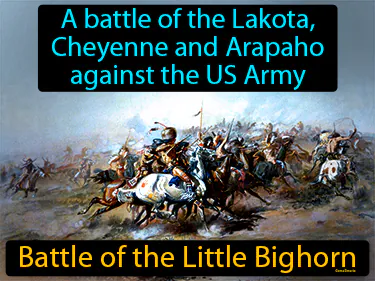
Battle Of The Little Bighorn: A battle of the Lakota, Cheyenne, and Arapaho against the US Army. Battle of the Little Bighorn. This was a historic 1876 fight in which Native American forces defeated General Custer's troops.