Liberation Theology
Liberation Theology:
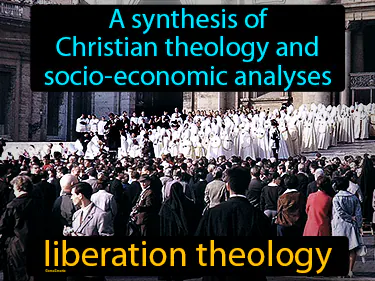
Liberation theology emerged in the mid-20th century, particularly in Latin America, as a response to widespread poverty and social injustice. It combined Christian teachings with socio-economic analyses, urging the church to take active roles in addressing the needs of the oppressed and marginalized. This movement was important because it challenged traditional religious roles and inspired social change by advocating for the poor's rights and dignity. Today, liberation theology remains relevant as it encourages communities and individuals to fight against inequality and promote social justice. For example, community leaders might organize food drives or educational programs, inspired by these principles, to support underprivileged neighborhoods, fostering a sense of solidarity and empowerment.
Practice Version

Liberation Theology: A synthesis of Christian theology and socio-economic analyses, liberation theology. Liberation theology is a movement that emerged in the 20th century, focusing on addressing social injustice and poverty through the teachings of Christianity.