Middle Ages
Middle Ages:
The Middle Ages, also known as the Medieval period, set the stage for the Age of Exploration by ending Europe's isolation and sparking curiosity about the wider world. During this time, people sought new trade routes and resources due to limited local supplies and conflicts like the Crusades. This era was important because it led to significant advancements in navigation, shipbuilding, and mapmaking, paving the way for explorers like Columbus and Magellan. Today, the effects of exploration during the Middle Ages still impact our lives, as it led to cultural exchanges and global connections we experience daily. For example, the diverse foods, languages, and technologies we enjoy today are a direct result of these explorations and exchanges begun in the Middle Ages.
Practice Version

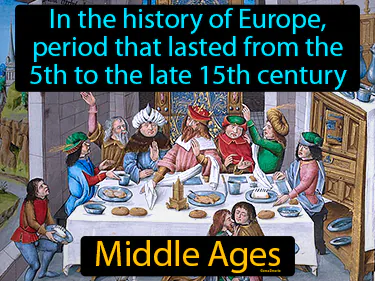
Middle Ages: In the history of Europe, period that lasted from the 5th to the late 15th century. Middle Ages. The Middle Ages was a time when knights, castles, and feudal systems dominated Europe.