Colony
Colony:
In the Ancient Middle East and Egypt from 3200BC-500BC, colonies were important for expanding empires, accessing resources, and spreading cultural influence. Powerful civilizations like the Egyptians and Assyrians established colonies to control trade routes and secure valuable goods such as metals and grains. Colonies helped these ancient empires respond to the need for resources and political power. Today, the concept of colonies still matters as it impacts modern borders and cultural identities, influencing how countries interact and view their histories. For example, in countries like India, colonial history affects national identity and cultural diversity, as people navigate the lasting impacts of British rule on language, governance, and social structures.
Practice Version

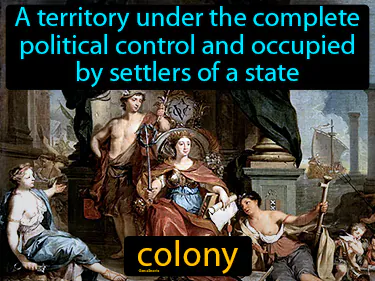
Colony: A territory under the complete political control and occupied by settlers of a state. Colony. A colony is a land controlled by a powerful country, where settlers live and exert influence over local people and resources.