Proprietor
Proprietor:
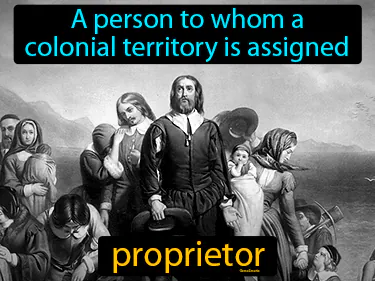
In the context of the 13 English Colonies, a proprietor was an individual who received land grants from the British crown to manage and govern colonial territories. Proprietors, like William Penn of Pennsylvania, played crucial roles in establishing and organizing colonies by setting up governments, attracting settlers, and creating laws that often offered more religious freedom than in England. Their actions were important because they helped shape the political and cultural landscapes of America, contributing to the diversity and governance structures we see today. The legacy of proprietors is seen in modern values of religious tolerance and self-governance, which continue to be important in democratic societies. For example, Penn's emphasis on religious freedom and fair treatment of Native Americans can inspire people today to advocate for human rights and equality in their communities.
Practice Version

Proprietor: A person to whom a colonial territory is assigned. Proprietor. In history, a proprietor was an individual granted control and ownership over a colony by a monarch.