Executive Branch
Executive Branch:
The executive branch, established by the U.S. Constitution, was created to enforce and implement laws, headed by the President. It was important because it addressed the problem of weak centralized power under the Articles of Confederation, where states acted independently without effective national leadership. Today, the executive branch remains crucial as it influences everyday life through decisions on education, healthcare, and public safety. For example, when the President issues an executive order on environmental protection, it can lead to cleaner air and water, directly affecting community health. This concept matters because it ensures that laws passed by Congress are actively put into practice, impacting our daily lives.
Practice Version

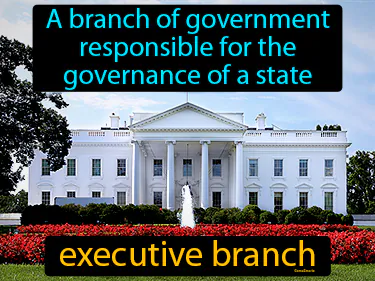
Executive Branch: A branch of government responsible for the governance of a state. Executive branch. The executive branch enforces laws and is led by the president or prime minister.