Jazz
Jazz:
During the Postwar Boom from 1946 to 1960, jazz became a symbol of cultural freedom and innovation, reflecting the changing social landscape in America. It responded to issues like racial segregation by bringing together musicians of different backgrounds, promoting unity and creativity. Jazz was important at the time because it pushed artistic boundaries and influenced other music genres, becoming a voice for civil rights. Today, jazz continues to matter as it inspires new musicians and fosters appreciation for diversity and creativity. For example, attending a local jazz festival can bring people together, encouraging community bonding and appreciation for different cultures through music.
Practice Version

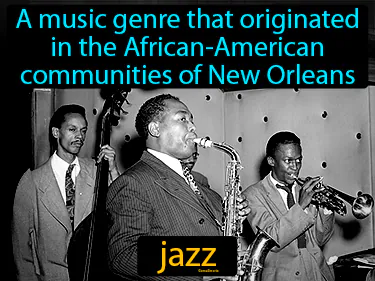
Jazz: A music genre that originated in the African-American communities of New Orleans. Jazz is a lively and improvisational style of music that became popular in the early 20th century.