Imperialism
Imperialism:
During the period of 1890-1920, U.S. imperialism involved expanding American influence by acquiring territories like Puerto Rico, Guam, and the Philippines. This expansion was driven by the desire for economic growth, military strength, and the belief in cultural superiority. At the time, it responded to the need for new markets and resources, as well as strategic military positions. Today, imperialism still matters because it shapes global relationships, affecting trade and political alliances. For example, if you buy a product made in another country, the trade policies and economic ties influenced by past imperialism can impact its price and availability, affecting your everyday choices and interactions.
Practice Version

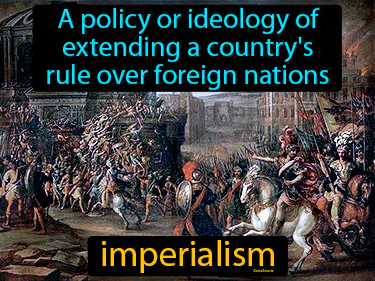
Imperialism: A policy or ideology of extending a country's rule over foreign nations. Imperialism is when a country expands its power and influence by taking control of other lands and peoples.