Due Process
Due Process:
Due process is a constitutional principle ensuring fair treatment through the normal judicial system, especially as a citizen's entitlement. Historically, it was crucial in protecting individual rights against arbitrary actions by the government, responding to concerns about unjust imprisonment and unfair trials during the colonial period and beyond. It was embedded in the Fifth and Fourteenth Amendments to ensure that all Americans, regardless of status, would receive fair treatment under the law. Today, due process still matters because it guarantees that everyone has a fair chance in legal matters, such as a student having the right to explain their side before being suspended from school. This principle helps maintain trust in the legal system by ensuring that rules are applied consistently and fairly to everyone.
Practice Version

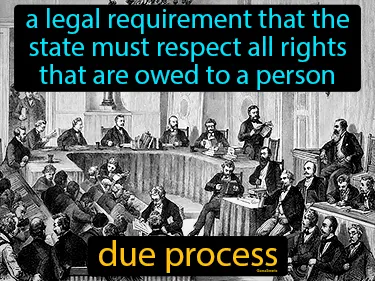
Due Process: A legal requirement that the state must respect all rights that are owed to a person. Due process. In history, due process is the principle that protects individuals from unfair treatment by ensuring fair legal procedures.