Rush-Bagot Agreement
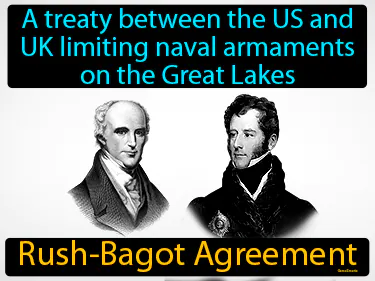
Rush-Bagot Agreement:
The Rush-Bagot Agreement, signed in 1817, was crucial during the Jefferson Era as it marked a significant step toward peaceful relations between the US and UK after the War of 1812. By limiting naval armaments on the Great Lakes, it reduced military tension and set a precedent for future disarmament agreements, highlighting the importance of diplomacy and peaceful conflict resolution. These ideas still matter today, as they emphasize the value of negotiation over warfare in international relations. For an average person, this agreement underscores the importance of resolving conflicts peacefully, whether it’s between countries or in personal relationships. It reminds us that cooperation and communication are key to maintaining peace and stability in our communities and the world.
Practice Version

Rush-Bagot Agreement: A treaty between the US and UK limiting naval armaments on the Great Lakes. Rush-Bagot Agreement. The Rush-Bagot Agreement is a treaty from 1817 that limited naval forces on the Great Lakes between the US and the UK, promoting peace after the War of 1812.