Referendum
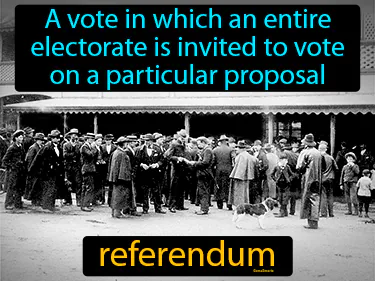
Referendum:
During The Progressive Era from 1890 to 1920, the concept of a referendum became significant as it allowed citizens to directly vote on laws and policies, giving them more power to influence government decisions. This was important because it responded to the problems of corruption and lack of public involvement in politics, as many felt that politicians were not representing the people's interests. Referendums helped increase democracy by making sure that the voices of ordinary citizens were heard in decision-making processes. Today, referendums still matter because they enable communities to make decisions about local issues that directly affect their lives, such as school funding or environmental regulations. For example, if your town holds a referendum to decide whether to build a new park, your vote can help determine whether or not the park is built, influencing your community's recreational spaces.
Practice Version

Referendum: A vote in which an entire electorate is invited to vote on a particular proposal. Referendum. In history, a referendum is when the people of a country or region vote directly on a specific issue or decision.