Planned Obsolescence
Planned Obsolescence:
During the Postwar Boom from 1946-1960, planned obsolescence became a strategy used by manufacturers to encourage consumers to purchase new products more frequently. This concept was important because it responded to the need for economic growth and job creation after World War II by stimulating continuous consumer spending. It also addressed the problem of market saturation, where most people already owned durable goods. Today, planned obsolescence continues to matter as it affects how often we replace items like smartphones, which are designed to become outdated within a few years. For example, many people feel pressured to upgrade their phones regularly due to software updates that slow down older models, impacting both personal finances and environmental waste.
Practice Version

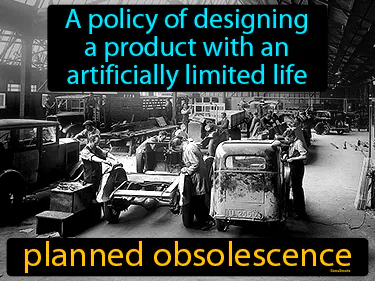
Planned Obsolescence: A policy of designing a product with an artificially limited life planned obsolescence. Historically, planned obsolescence refers to the intentional design of products to wear out or become outdated quickly, encouraging consumers to purchase replacements.