Stagflation
Stagflation:
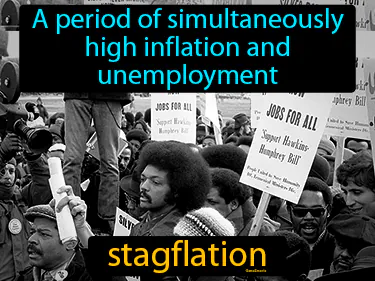
During the period known as "A Crisis in Confidence" from 1968 to 1980, stagflation was a major economic issue in the United States. It was significant because it challenged the traditional belief that high inflation and high unemployment could not happen at the same time. This period saw rising oil prices and economic policies that failed to address both issues simultaneously, causing hardship for many Americans. Today, stagflation still matters because it can lead to increased costs of living and job insecurity, affecting people's ability to afford necessities. For example, if a person loses their job while grocery prices are rising, it becomes much harder for them to support their family, showing how stagflation can directly impact everyday life.
Practice Version

Stagflation: A period of simultaneously high inflation and unemployment. Stagflation. In the 1970s, many countries experienced stagflation, where prices rose sharply while economic growth stagnated.