Benghazi Attack
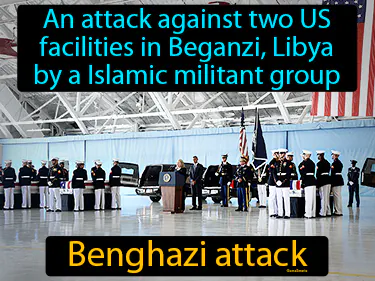
Benghazi Attack:
The Benghazi attack on September 11, 2012, was significant because it highlighted ongoing global tensions, particularly involving terrorism and Middle Eastern conflicts. This event underscored the challenges of protecting diplomatic staff and the complexities of international relations in a volatile region. It also sparked debates in the U.S. about government accountability and security measures, which are still relevant today as nations strive to balance freedom with safety. For the average person, this event emphasizes the importance of vigilance in security and how international conflicts can affect national policies, such as airport security and international travel guidelines. Additionally, it highlights the power of information and misinformation, influencing how people consume news and assess government actions.
Practice Version

Benghazi Attack: An attack against two US facilities in Benghazi, Libya by an Islamic militant group. The Benghazi attack was a 2012 assault on the US diplomatic compound in Benghazi, resulting in the deaths of four Americans, including Ambassador Chris Stevens.