Sewers
Sewers:
Imagine your kitchen sink is full of dirty dishes after a big meal. Just as you need to clear away the clutter to keep your kitchen clean and functional, a sewer system works to transport waste and rainwater away from streets and buildings to maintain a healthy environment. In this analogy, the cluttered kitchen sink represents the accumulation of waste and water, while the act of washing and draining away the dishwater parallels the sewer system's role in moving sewage and runoff out of urban areas, ensuring everything stays clean and orderly.
Practice Version

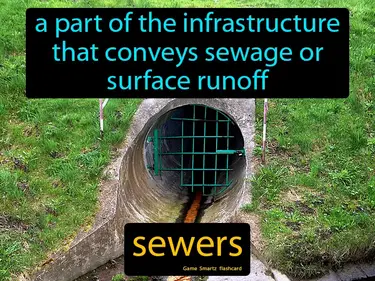
Sewers: A part of the infrastructure that conveys sewage or surface runoff is known as sewers. Sewers are underground pipes that carry waste and rainwater away from homes and streets to treatment facilities.