Land Reform
Land Reform:
In East and Southeast Asia between 500-1650, land reform often involved redistributing land from wealthy landowners to peasants to reduce poverty and increase agricultural productivity. This was important because land ownership was linked to wealth and power, and unequal distribution often led to social unrest and economic inefficiency. Land reforms aimed to address these issues by ensuring more equitable access to land, thus stabilizing societies and fostering development. Today, land reform remains relevant as it can alleviate modern issues like poverty and food insecurity. For example, in developing countries, ensuring small farmers have access to land can improve their livelihoods and provide more food for their communities, directly affecting people's quality of life.
Practice Version

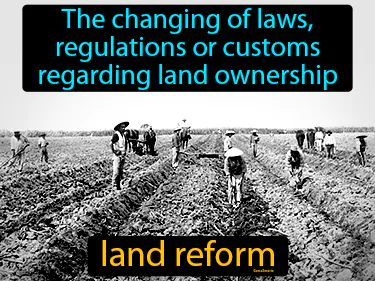
Land Reform: The changing of laws, regulations or customs regarding land ownership. Land reform. In history, land reform refers to the redistribution or restructuring of agricultural land to improve equity and productivity.