Mutiny
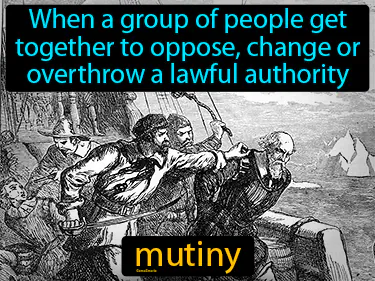
Mutiny:
During the Global Age from 1420-1750, mutinies were significant because they highlighted the growing tensions between explorers, colonizers, and the authorities they served. One famous example is Ferdinand Magellan's voyage, where crew members mutinied due to harsh conditions and disagreements over leadership. These events reflected the struggle for power and the desire for freedom, ideas that still resonate today when people challenge unfair systems or leaders. In modern times, this spirit of questioning authority can be seen when workers strike for better conditions or citizens protest unjust laws. These actions emphasize the importance of standing up for one's rights, which directly impacts how people advocate for change in their communities.
Practice Version

Mutiny: When a group of people get together to oppose, change or overthrow a lawful authority. Mutiny. In history, mutiny refers to a rebellion by a group of individuals, such as soldiers or sailors, against the leaders in charge.