Legitimacy
Legitimacy:
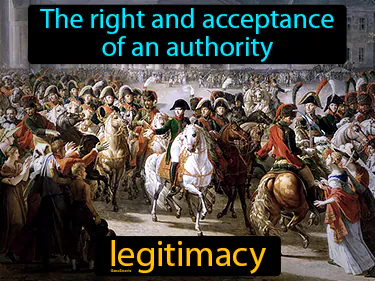
During the French Revolution, legitimacy was crucial as people questioned the authority of King Louis XVI and sought a government that truly represented them. This led to the rise of Napoleon, who gained legitimacy by promising stability and reforms after years of chaos. The concept responded to the problem of unjust and disconnected rulers, highlighting the need for leaders to have the support and acceptance of the people. Today, legitimacy remains important because it ensures governments and leaders act in ways that are fair and acceptable to their citizens, maintaining social order and trust. For example, if a school principal makes decisions without listening to students or teachers, they might lose legitimacy, leading to protests or a lack of cooperation, which can disrupt the school environment.
Practice Version

Legitimacy: The right and acceptance of an authority. Legitimacy. In history, legitimacy is the acceptance and recognition of a ruler or government's right to govern by the people.