Realism
Realism:
During the Industrial Age (1800-1915), realism emerged as a response to rapid industrialization and urbanization, highlighting the lives of ordinary people and the harsh realities of their environments. Artists and writers used realism to depict the struggles of the working class, often focusing on poor living conditions, labor exploitation, and social injustice. This movement was important because it drew attention to societal issues that needed reform, influencing public opinion and eventually leading to changes in labor laws and social policies. Today, realism remains relevant as it continues to provide an authentic portrayal of life's challenges, helping people understand and empathize with different experiences. For example, a documentary film that explores the daily life of a struggling family can open viewers' eyes to issues like poverty and motivate them to advocate for change or support community initiatives.
Practice Version

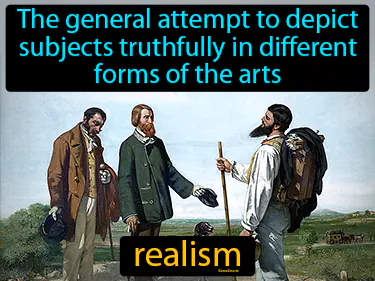
Realism: The general attempt to depict subjects truthfully in different forms of the arts. Realism. In history, realism refers to a movement aiming to portray everyday life and people as they truly are, without idealization.