Nationalization
Nationalization:
Nationalization in history, especially between 1910-1939, often occurred during times of nationalism and revolution when countries aimed to take control of resources like oil, railways, or banks from private companies, usually foreign ones. This was important because it allowed nations to assert independence, foster economic growth, and ensure that profits stayed within the country, benefiting its citizens. For instance, Mexico nationalized its oil industry in 1938, taking control from foreign companies to address economic inequality and foreign dominance. Today, nationalization still matters because it can impact local economies and job opportunities. For example, if your country nationalizes its energy sector, it might lead to more local jobs and potentially lower costs for electricity at home, directly affecting your family's expenses.
Practice Version

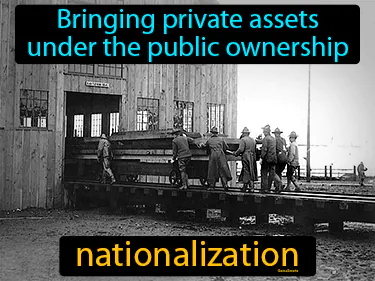
Nationalization: Bringing private assets under the public ownership. nationalization. Nationalization is when a government takes control of previously private businesses or assets, often to manage resources for public benefit.