Democracy
Democracy:
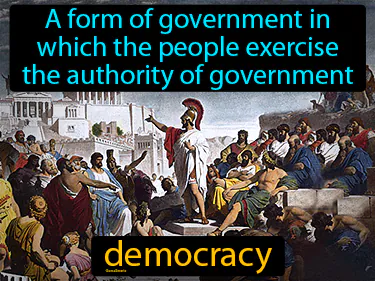
In Ancient Greece, particularly in Athens around 500 BC, democracy meant that citizens had the power to make decisions about their city-state through voting and public debate. This was important because it responded to the problems of unfair rule by kings or small groups of elites, giving more people a voice in how they were governed. Democracy allowed for greater participation and helped to balance power among citizens. Today, democracy still matters as it allows people to have a say in their government, influencing laws and policies that impact their daily lives. For instance, when students vote for their class president, they are practicing democracy by choosing a leader who will represent their interests in school activities and decisions.
Practice Version

Democracy: A form of government in which the people exercise the authority of government. Democracy. In history, democracy is when citizens have the power to vote and make decisions about their leaders and laws.