Federalism
Federalism:
During the period of A New Nation from 1760-1800, federalism was important because it helped balance power between the central government and the individual states in the United States. This was crucial after the American Revolution, as it addressed concerns that a strong central government might become too powerful, similar to British rule, which the colonies had just escaped. Federalism allowed states to maintain their own laws and policies while being united under a national government that handled issues like defense and trade. Today, federalism still matters because it allows different states to have unique laws that reflect their citizens' needs, such as education standards or healthcare policies. For example, if you live in one state, you might have different public school requirements than someone living in another state, showing how federalism affects daily life.
Practice Version

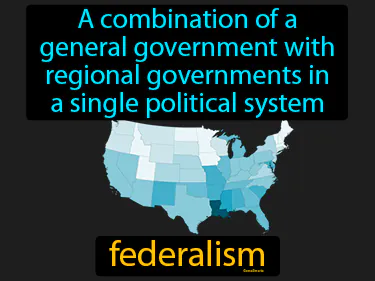
Federalism: A combination of a general government with regional governments in a single political system. Federalism. In simple terms, federalism is a system where power is shared between a central government and smaller regional governments, like how the United States is governed.