Laissez-Faire
Laissez-Faire:
During the Industrialization period from 1870 to 1900, the concept of laissez-faire meant that businesses operated with little to no government interference, allowing industries to grow rapidly. This approach was important because it encouraged entrepreneurship and economic expansion, responding to the desire for innovation and the creation of jobs. However, it also led to problems like worker exploitation and poor working conditions, as there were no regulations to protect employees. Today, the concept of laissez-faire still matters because it influences debates about how much regulation businesses should face, such as in the technology or gig economy sectors. For example, ride-sharing companies like Uber operate with minimal regulations in some areas, which can lead to cheaper rides for consumers but can also affect driver earnings and job security.
Practice Version

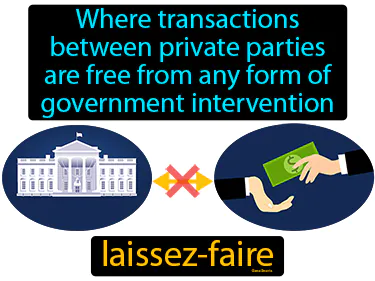
Laissez-Faire: Where transactions between private parties are free from any form of government intervention. Laissez-faire. Laissez-faire is an economic philosophy from the 18th century that advocates minimal government interference in business.