Mass Transit
Mass Transit:
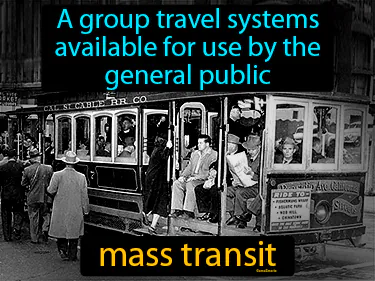
Between 1880 and 1915, mass transit systems like streetcars and subways became crucial in rapidly growing cities due to immigration and urbanization. As millions of immigrants arrived in cities like New York and Chicago, mass transit provided a practical solution to transport large numbers of people efficiently and affordably, helping them reach jobs and homes. It addressed problems of overcrowding and congestion in city centers by allowing people to live farther from their workplaces. Today, mass transit remains vital as it reduces traffic, lowers pollution, and provides a cost-effective way for people to commute. For example, a student in New York City might take the subway to school, saving their family money on gas and helping to reduce the city's carbon footprint.
Practice Version

Mass Transit: A group travel systems available for use by the general public. Mass transit. Mass transit refers to transportation systems like buses and trains that move large numbers of people within cities or regions efficiently.