Elite
Elite:
During The New Imperialism era from 1800-1915, the term "elite" referred to a group of powerful individuals, such as politicians, military leaders, and industrialists, who controlled vast resources and influenced global politics. This elite class was crucial because they drove imperial expansion by seeking new markets and resources to increase their wealth and power. This concept responded to industrialization's needs, which demanded more raw materials and new markets for goods. Today, the concept of elites still matters as it can be seen in how certain business leaders or politicians influence major decisions that affect everyone, such as economic policies or environmental regulations. For example, a tech company's CEO might decide to open a new factory, creating jobs in one area while potentially causing job losses or environmental concerns elsewhere, showing how elite decisions can have widespread impacts.
Practice Version

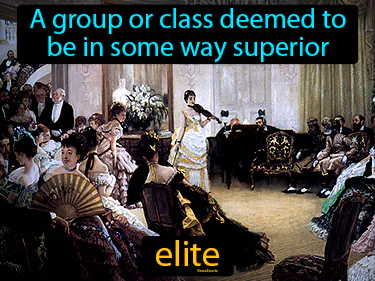
Elite: A group or class deemed to be in some way superior. Elite. In History, elites are often people with more power, wealth, or influence than the average person.