Manchuria
Manchuria:
Manchuria was significant because it demonstrated Japan's aggressive nationalism, as they sought to expand their empire by controlling Northeast China. This event highlighted the tensions between imperialistic ambitions and the desire for national sovereignty, themes that were prevalent in many revolutions around the world from 1910 to 1939. The invasion of Manchuria also showcased how powerful countries could impose their will on weaker nations, a concept that still resonates today in discussions about international relations and national self-determination. For an average person today, these ideas matter because they influence global politics, such as how countries interact, trade, and form alliances. Understanding these historical tensions helps people recognize the importance of advocating for national rights and the impact of foreign policies on everyday life, like economic stability and cultural exchange.
Practice Version

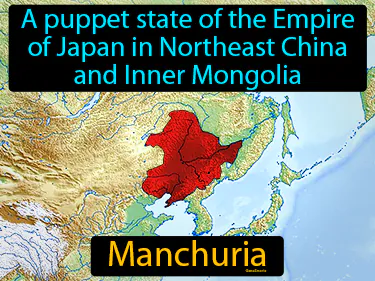
Manchuria: A puppet state of the Empire of Japan in Northeast China and Inner Mongolia. Manchuria. Manchuria was a region in Asia that was overtaken by Japan in the early 20th century to establish control and exploit its resources.