Electric Charge
Example:
Imagine trying to maintain a balanced checkbook, where you're constantly adding and subtracting transactions to keep track of your finances. This is similar to how an object maintains its electric charge, as it reflects the balance of positive and negative particles within it. Just like balancing your checkbook involves ensuring deposits (positive transactions) and withdrawals (negative transactions) net out to a stable account balance, an object's electric charge represents the net balance of its positive and negative particles, determining whether it's overall positively charged, negatively charged, or neutral.
Practice Version

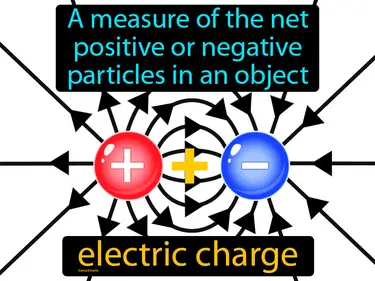
Electric Charge: A measure of the net positive or negative particles in an object. Electric charge. Electric charge is a property of particles that causes them to attract or repel each other based on their positive or negative nature.