Inertia

Example:
Imagine trying to get out of bed on a cold, winter morning when you're wrapped snugly in a warm blanket. Just as your body resists leaving the comfort and warmth of the bed, objects naturally resist changes to their current state of motion or rest. This reluctance to move or stop moving is similar to the concept of inertia, where just like your body wants to stay in the cozy bed, an object at rest wants to stay at rest, and an object in motion wants to keep moving unless an external force acts on it.
Practice Version

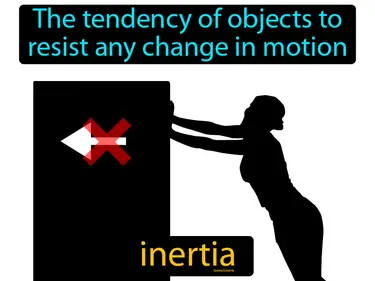
Inertia: The tendency of objects to resist any change in motion. Inertia. Inertia is the reason why an object at rest stays at rest, and an object in motion stays in motion unless acted upon by an external force.