George Mason
George Mason:
George Mason was a delegate from Virginia who played a crucial role in the creation of the U.S. Constitution but ultimately refused to sign it because it lacked a Bill of Rights. His insistence on protecting individual liberties influenced the addition of the first ten amendments, known as the Bill of Rights, to the Constitution. This addition was important because it ensured that citizens had clear protections against government overreach, like freedom of speech and religion. Today, Mason's legacy is seen in everyday life through these rights, which allow people to express their opinions freely and practice their chosen faiths without fear. For example, when students participate in peaceful protests at school, they are exercising their First Amendment rights, a direct result of Mason's advocacy for individual freedoms.
Practice Version

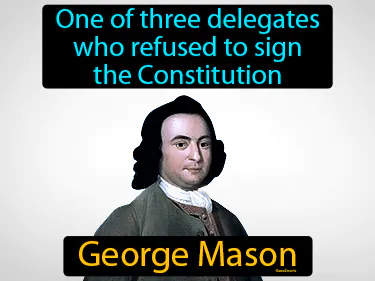
George Mason: One of three delegates who refused to sign the Constitution. George Mason was a Founding Father who advocated for individual rights, influencing the Bill of Rights.