Calorimetry
Calorimetry:
Imagine trying to keep your coffee at the perfect temperature while you have a long conversation with a friend. Just as you gauge when to take a sip based on how hot or cold the coffee feels, calorimetry measures the flow of heat to understand temperature changes in a substance. In both cases, it's about tracking how heat moves: with your coffee, you're judging when it's cooled down enough to enjoy, while in calorimetry, scientists measure how heat is transferred to or from a substance to understand its thermal properties.
Practice Version

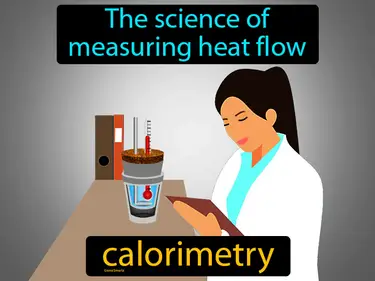
Calorimetry: The science of measuring heat flow. Calorimetry. Calorimetry is a method used to determine the amount of heat released or absorbed during a chemical reaction, physical change, or heat capacity measurement.