Militarism
Militarism:
Militarism in the context of World War 1 meant that many countries believed they needed powerful armies and navies to protect themselves and assert their dominance. This belief contributed to a competitive arms race, particularly among European nations, leading to increased tensions and the eventual outbreak of war. Militarism responded to fears of foreign threats and the desire for national prestige and security. Today, militarism still matters because countries invest heavily in their military forces, affecting how nations interact and prioritize budgets. For example, if a country focuses more on military spending than education, it may impact the quality of schools in your community, showing how militarism can affect everyday life.
Practice Version

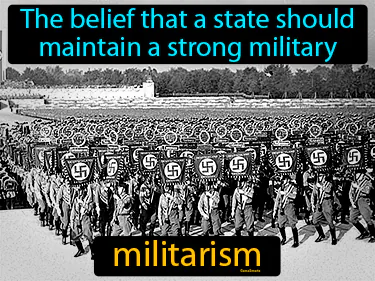
Militarism: The belief that a state should maintain a strong military. Militarism. In history, militarism is when countries build up their armies and weapons, often leading to conflicts like World War I.