Hydrogenous
Hydrogenous:
Imagine you’re making a pot of soup and over time, you notice that salt and spices gradually settle at the bottom of the pot if not stirred regularly. This is similar to how hydrogenous sediments form, as they are derived directly from the water in which they are dissolved, much like how salt and spices dissolve in your soup. Just as these ingredients settle out and form a layer at the bottom of your soup pot when the conditions are right (like when the soup cools or isn’t stirred), hydrogenous sediments precipitate out of the water and accumulate on the ocean floor, crystalizing out of the seawater when chemical conditions allow.
Practice Version

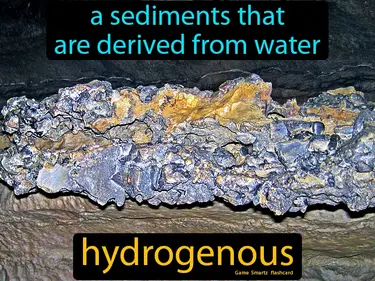
Hydrogenous: A sediments that are derived from water. hydrogenous. Hydrogenous refers to materials that form in the ocean through the precipitation of minerals directly from seawater.