Balance Of Trade
Balance Of Trade:
During the era of New Imperialism from 1800-1915, the balance of trade was crucial as European powers sought to export more goods than they imported to increase national wealth and power. This concept was important in justifying colonial expansion, as colonies provided raw materials and new markets for manufactured goods, ensuring a favorable balance of trade. The idea responded to the need for economic growth and competition among nations, often leading to the exploitation of colonized regions. Today, the balance of trade remains significant as it affects a nation's economy, currency value, and employment rates. For example, if your country imports more than it exports, it can lead to job losses in local industries, impacting your family's income and economic stability.
Practice Version

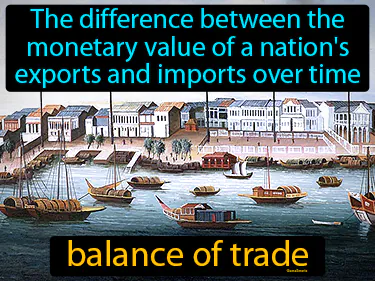
Balance Of Trade: The difference between the monetary value of a nation's exports and imports over time. Balance of trade. Historically, the balance of trade shows whether a country is gaining more money from its exports than it is spending on imports.